NEFTALY CORPORATE
PAN-AFRICAN TECHNICAL STANDARDS MANUAL
Energy Infrastructure Deployment & Compliance Standards



1. PURPOSE OF THE MANUAL
The Neftaly Pan-African Technical Standards Manual establishes uniform engineering, installation, operational, and safety standards governing all energy infrastructure deployed, managed, or supervised by Neftaly Corporate across Africa.
The manual ensures:
- Technical consistency across countries
- Infrastructure reliability
- Regulatory compliance
- Asset performance optimization
- Long-term operational sustainability
2. SCOPE OF APPLICATION
This manual applies to:
- EPC Contractors
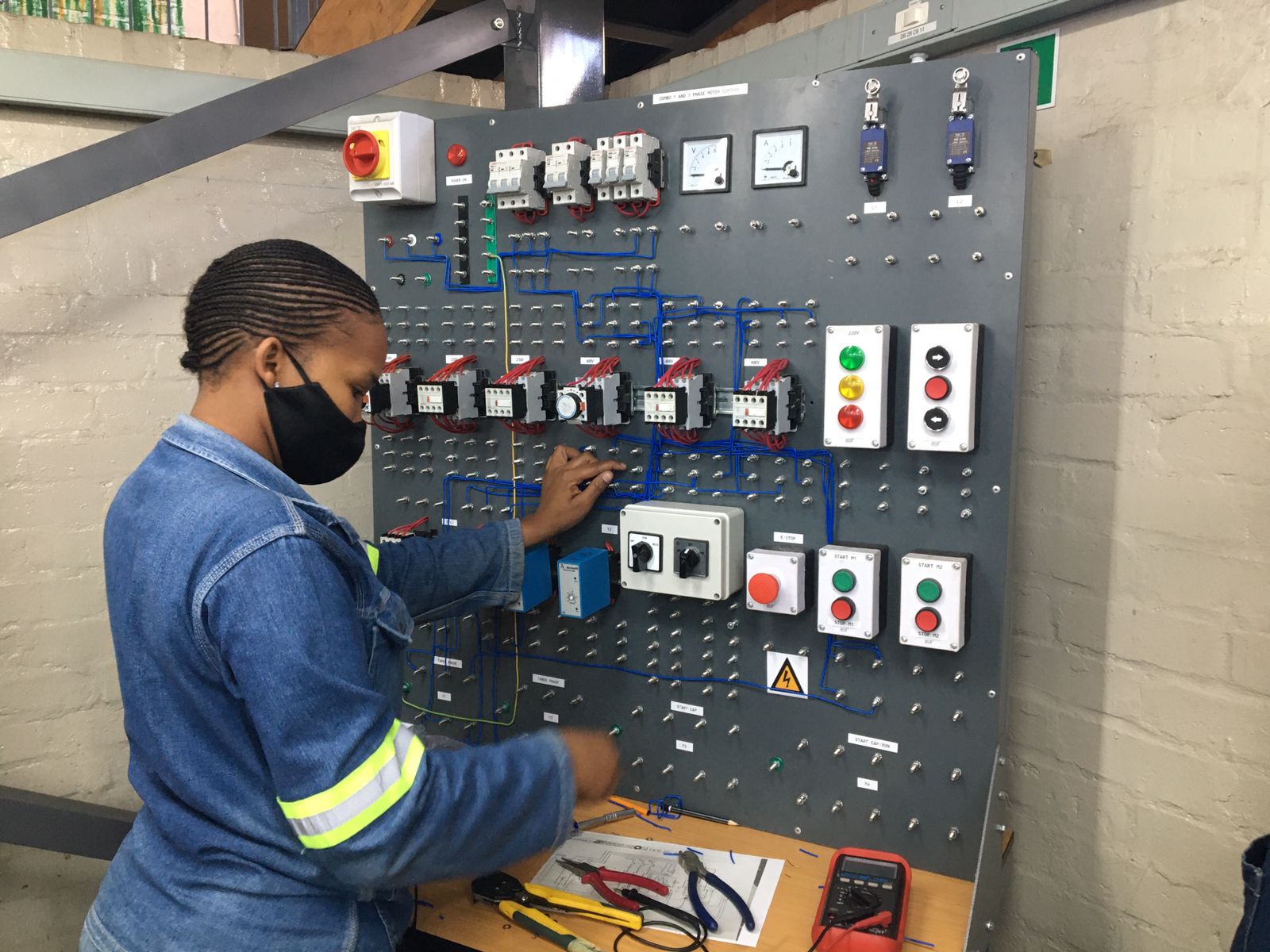
- Certified Installers
- Technical Partners
- Maintenance Teams
- Distributors
- Project Developers
- Government Projects
Across all Neftaly-managed energy installations.
3. GOVERNING TECHNICAL PRINCIPLES
All projects shall follow:
✅ Safety First Engineering
✅ Performance Reliability
✅ Compliance Before Deployment
✅ Lifecycle Sustainability
✅ Environmental Responsibility
4. APPLICABLE INTERNATIONAL STANDARDS
Projects shall align with internationally recognized standards including:
- IEC (International Electrotechnical Commission)
- ISO Quality Management Standards
- IEEE Electrical Standards
- Occupational Health & Safety Standards
- Environmental Management Standards
Where national regulations differ, the stricter requirement applies.
5. ENGINEERING DESIGN STANDARDS
Engineering designs must include:
- Load analysis
- Energy yield assessment
- Grid compatibility studies
- Environmental impact considerations
- Structural integrity verification
- Electrical protection systems
All designs require professional engineer approval.
6. EQUIPMENT STANDARDS
Approved equipment must:
- Meet manufacturer certification
- Pass factory quality testing
- Comply with electrical safety regulations
- Include traceable serial identification
- Meet environmental durability requirements
Unauthorized components prohibited.
7. SOLAR PV INSTALLATION STANDARDS
Installation requirements include:
- Approved mounting structures
- Correct tilt and orientation
- Cable protection systems
- Surge protection installation
- Earthing and bonding compliance
- Weatherproof connections
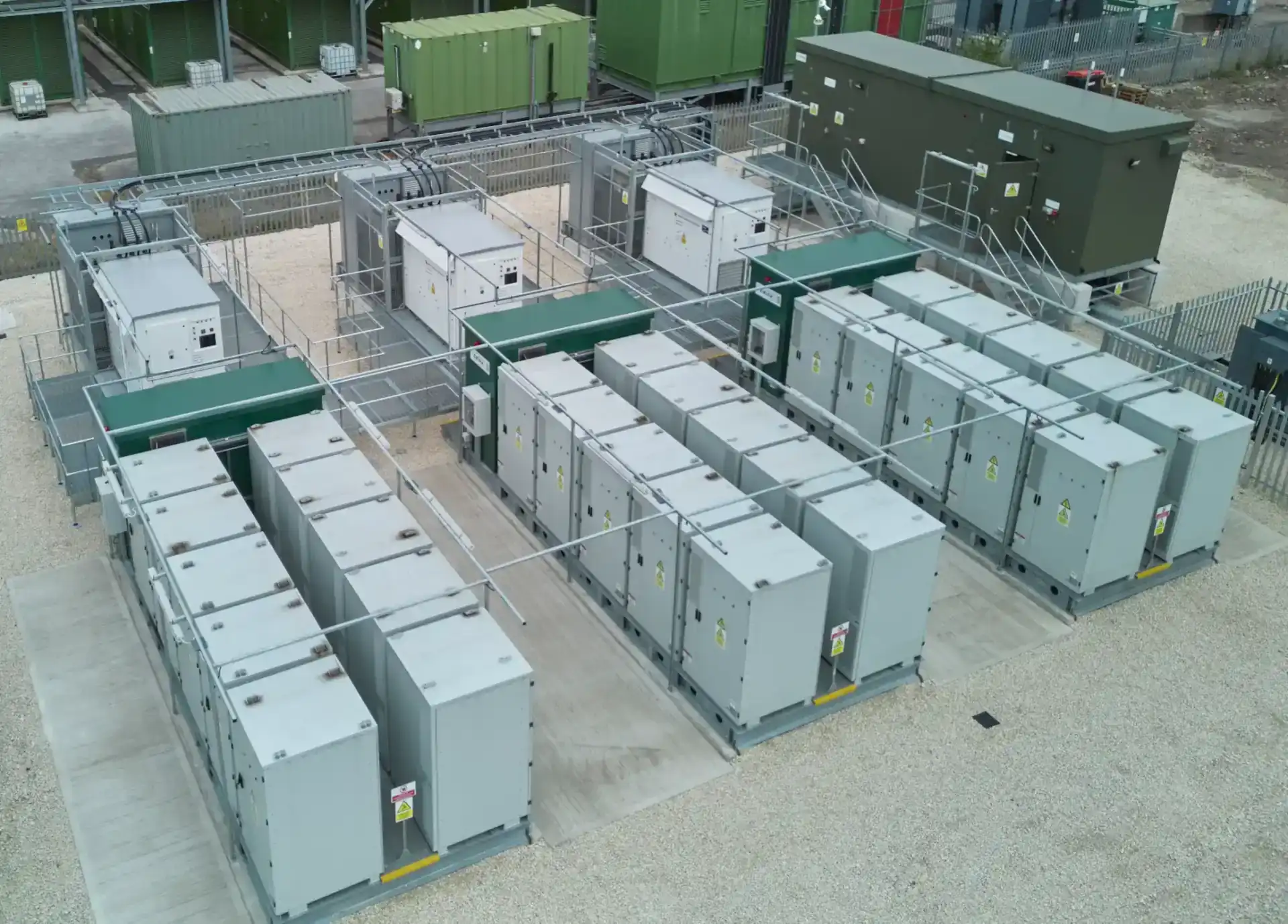
8. BATTERY ENERGY STORAGE (BESS) STANDARDS
Mandatory requirements:
- Thermal management systems
- Fire suppression measures
- Ventilation compliance
- Battery monitoring systems
- Emergency isolation capability
- Access control systems
9. ELECTRICAL INSTALLATION STANDARDS
Electrical works must ensure:
- Proper cable sizing
- Circuit protection coordination
- Grounding systems
- Isolation switches
- Safe routing pathways
- Compliance testing before energization
10. GRID INTEGRATION STANDARDS
Grid-connected systems shall include:
- Anti-islanding protection
- Voltage regulation controls
- Frequency response capability
- Utility synchronization testing
- Protection relay coordination
11. HEALTH, SAFETY & ENVIRONMENT (HSE)
Mandatory compliance includes:
- Risk assessments
- Permit-to-work systems
- PPE requirements
- Working-at-height procedures
- Electrical lockout/tagout systems
- Environmental protection measures
12. INSTALLATION QUALITY CONTROL
Quality assurance requires:
✅ Pre-installation inspection
✅ Installation supervision
✅ Commissioning verification
✅ Performance testing
✅ Documentation approval
13. COMMISSIONING PROCEDURES
Commissioning must confirm:
- Electrical integrity
- System functionality
- Performance output
- Safety verification
- Monitoring activation
Commissioning certificates mandatory.
14. DOCUMENTATION REQUIREMENTS
Each project must maintain:
- Engineering drawings
- Equipment datasheets
- Test reports
- Compliance certificates
- Maintenance manuals
- As-built documentation
15. OPERATIONS & MAINTENANCE STANDARDS
O&M activities shall include:
- Scheduled inspections
- Cleaning programmes
- Performance monitoring
- Component servicing
- Fault diagnostics
Aligned with Neftaly O&M Framework.
16. PERFORMANCE MONITORING
Minimum monitoring requirements:
| Parameter | Monitoring |
|---|---|
| Energy Output | Continuous |
| Equipment Status | Real-time |
| Fault Detection | Automated |
| Availability | Monthly Review |
17. CYBER & DATA SECURITY
Digital infrastructure must ensure:
- Secure remote access
- Data encryption
- User authentication
- Monitoring protection
- Backup systems
18. ENVIRONMENTAL COMPLIANCE
Projects must address:
- Waste management
- Noise control
- Land rehabilitation
- Emission reduction
- Biodiversity protection
19. TRAINING & COMPETENCY REQUIREMENTS
Only personnel certified under the:
Neftaly Technical Training Academy
may perform installation or maintenance activities.
20. AUDIT & INSPECTION
Neftaly reserves authority to conduct:
- Technical audits
- Safety inspections
- Performance reviews
- Compliance verification
Non-compliance requires corrective action.
21. DEFECT MANAGEMENT
Defect handling includes:
- Incident reporting
- Root cause analysis
- Corrective action implementation
- Warranty coordination
22. CONTINUAL IMPROVEMENT
Standards shall evolve through:
- Technology updates
- Operational feedback
- Industry benchmarking
- Regulatory changes
23. GOVERNANCE STRUCTURE
Oversight provided by:
Neftaly Technical Standards Committee
Responsible for:
- Standard approval
- Updates
- Enforcement
- Technical governance
24. MANUAL REVIEW CYCLE
This manual shall be reviewed every:
Three (3) Years
or when significant technological changes occur.
25. APPROVAL
Approved by:
Neftaly Malatjie
Chief Executive Officer
Neftaly Corporate
Signature: _______________________
Date: ___________________________
Technical Standards Coordination
Saki Kweba
Pan-African Technical Standards & Partnerships
Neftaly Corporate